
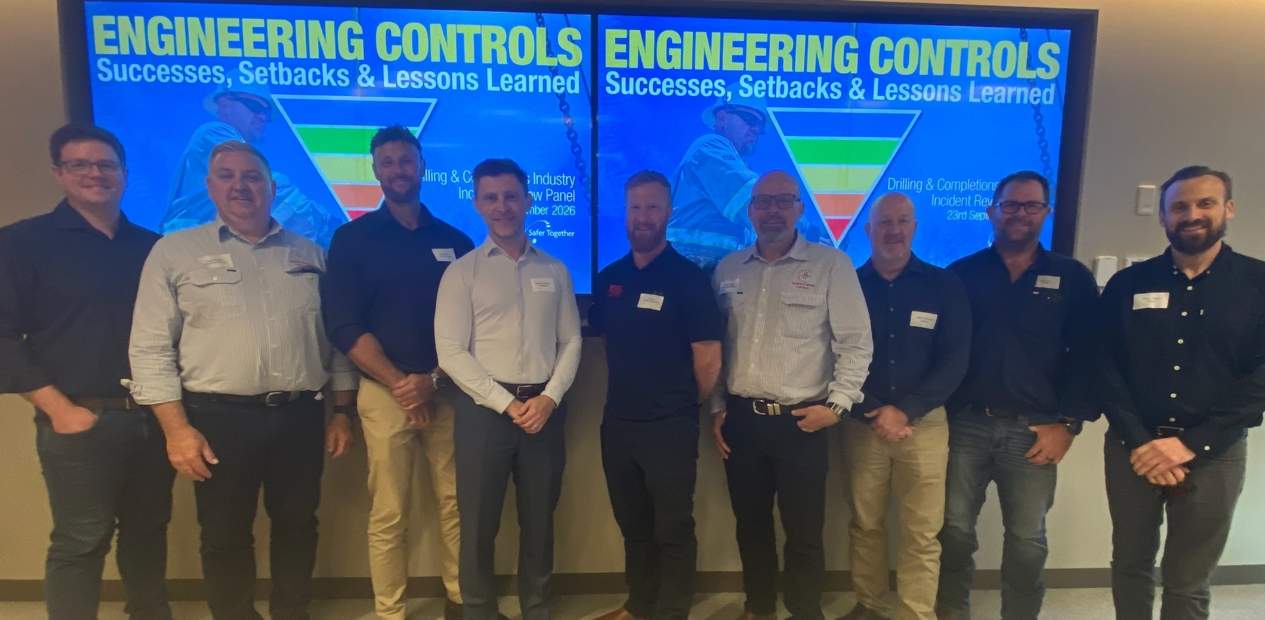
Our Rig Site Safety Working Group (RSSWG) gathered in Brisbane for Drilling and Completions Industry Incident Review Panel (DCIIRP) #44.
With a brief welcome and site briefing, event host, Sergey Silenkov (Westside Corporation) opened the event with a brilliant Safety Moment 'Why Good Procedures Aren’t Enough'. Via an investigation into varied historical incidents, Sergey provided a fantastic lesson in why operations relying on human vigilance and written rules to catch dynamic physical failures will fail. - closing with a reminder 'Procedures request compliance; physical barriers enforce safety'.
Incident shares with their Engineering Solutions followed:
- Uncontrolled Release of T-Piece Engineering Solution: Dual Rotary Rig T-Piece Locking Head from Richard Gurney (Ventia).
- Hands-Free Wellhead Lifting: Engineering out the hand injury risk in wellhead installation from Adam Reilly (Origin Energy).
A brilliant AI innovation from Craig Hunter (Savanna Energy) followed 'Technology for Safer Operations: AI Detection on Mobile Plant and the Rig Floor'. On the rig floor, spotting a person is only the start; AI Detection systems need to know where workers are on the rig floor, what the equipment is doing, and what should happen next. This presentation represented a generous innovation share from Savanna Energy; having the potential to rapidly improve safety outcomes for frontline workers.
Following the break, Jake Bain (Ensign Australia) presented ‘EDGE Automation - Drilling for the Future’. Jake began with origin and history of Ensign and the history of improvement in the D&C sector’s safety outcomes by transferring hazardous, variable and repetitive work into engineered systems via coordinated automation to improve rig intelligence. Jake further explained that these engineered systems now incorporate algorithms, machine learning and operational expertise into one platform.
Jiel Case (Red Bolt Engineering) then shared 4 engineering solutions with his presentation ‘Innovative Engineering Success Stories’.
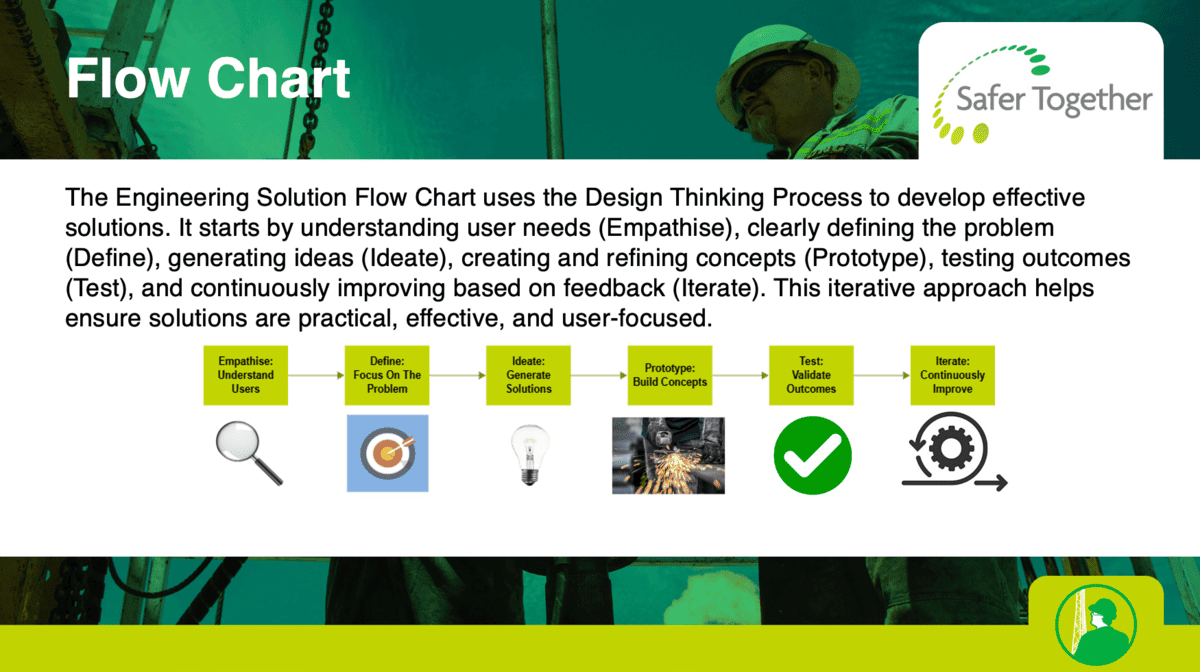
He opened with The Engineering Solution Flow Chart that uses the Design Thinking Process to develop effective solutions. It starts by understanding user needs (Empathise), clearly defining the problem (Define), generating ideas (Ideate), creating and refining concepts (Prototype), testing outcomes (Test), and continuously improving based on feedback (Iterate). This iterative approach helps ensure solutions are practical, effective, and user-focused.
Jiel closed with some key takeaways that are relevant to any engineer working in our industry - everything can be done better - homemade tools often emerge to address operational challenges using innovative, field-driven solutions. And although they may present safety risks if not engineered, field-driven solutions can provide valuable insights into opportunities for safer, more efficient engineered solutions - cross-collaboration between contractors, operators, field personnel, and management is vital for identifying hazards, developing practical solutions, and driving continuous safety improvement; closing with asking:
“As a group, what can be our gift to the industry and the world?”.
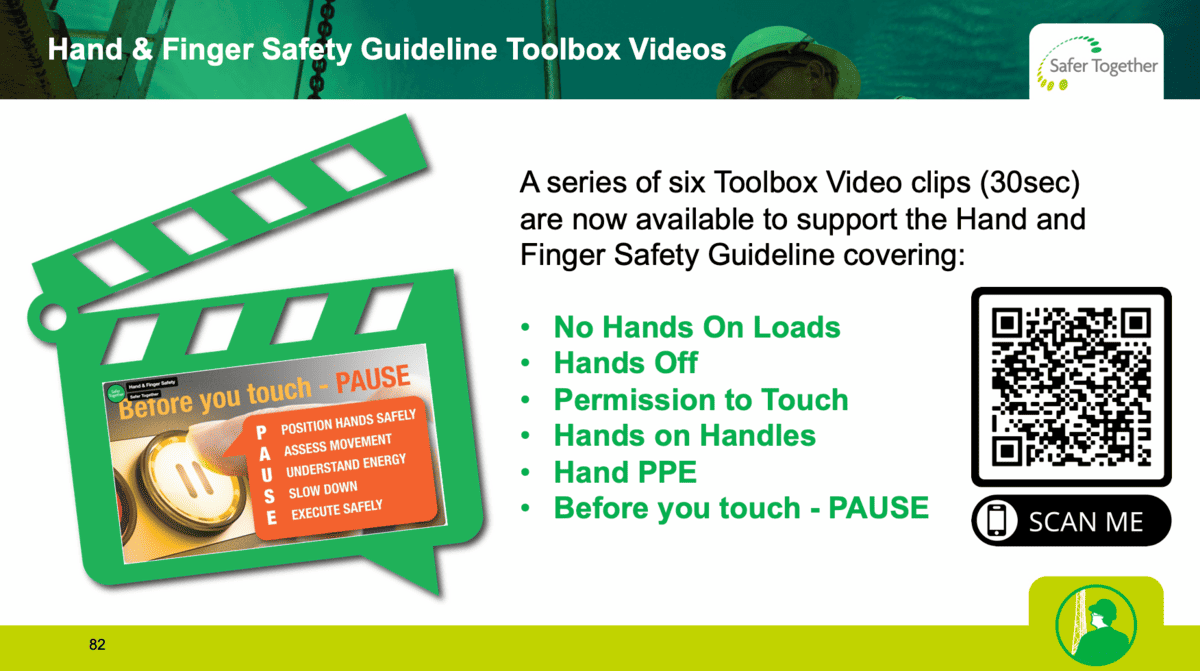
A RSSWG update followed, with a reminder of the Group’s current programs and their new Hand and Finger Safety Guideline Toolbox Videos covering:
Ken White (Savanna Energy) closed out the event, with a brief reminder of their upcoming combined event with our Land Transport Working Group on 25th November.
We would like to thank our event sponsors Westside and Savanna Energy.