
Driving - Collision

What happened?
While driving on a public road, a Light Vehicle crossed the centre line.
A member of the public travelling in the opposite direction swerved and left the road to avoid a collision. There were no injuries to the Light Vehicle driver and passenger, or to the driver of the third-party vehicle.
Why did it happen?
- Driver fatigue was identified as a contributing factor to the Light Vehicle crossing the centre line of the road. The driver had not recognised that they were fatigued.
- The driver experienced different sleep patterns when on shift compared to when they were on a break (off shift) and had inadequate sleep prior to their shift commencing.
- The driver had limited experience driving in remote / rural locations.
- Journey Management Planning requirements did not apply to the trip. It involved short distances and multiple stops to visit work sites. It was not at night. It did not involve a single journey duration of 2 hours or more.
What did they learn?
- Reduce road exposure by implementing alternate driving options to limit vehicle kilometres travelled (e.g. buses, carpooling and cross-departmental cooperation).
- Install driver fatigue detection and monitoring devices in Light Vehicles.
- Provide education for drivers who have limited experience driving in remote/rural locations. Include practical examples of managing fatigue.
- Encourage passengers to actively monitor the driver and road conditions during the trip. Promote a culture where it is OK for a passenger to alert the driver if they feel that conditions are not safe.
- Use Journey Management Planning for all trips undertaken by inexperienced drivers.

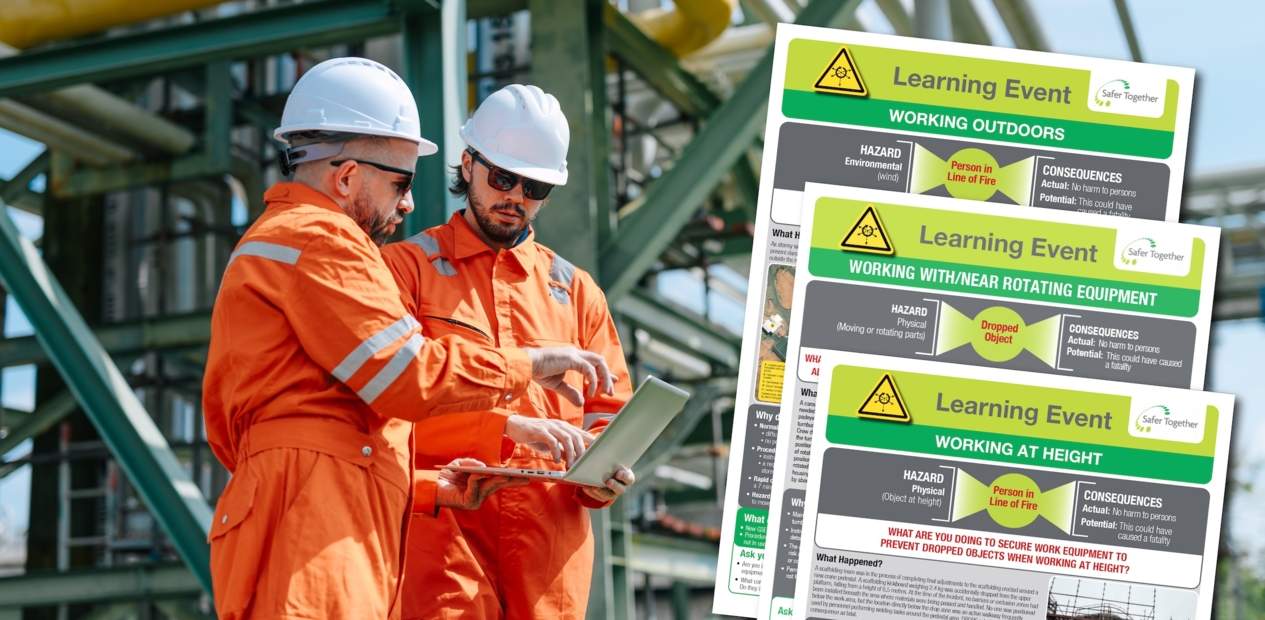
Learning Event Bulletins
Learning Event Bulletins are a tool to assist with learning from unwanted events and/or threats in order to minimise Fatalities and Permanent Impairment incidents (FPIs).
They focus on ‘unwanted events/threats’ as triggers to investigate and disseminate lessons learned. Encourage industry to approach unwanted events/threats with a positive learning mindset. Investigate, report and share the lessons from ‘High Value Learning Events’ triggered by unwanted events/threats occurring, regardless of whether it is classified as a HiPo or not.
LEB Smart Search - Our AI ‘LEB Smart Search’ feature allows users to ask questions in plain language and instantly surface relevant incidents and lessons learned.
The goal is simple: Make critical and applicable safety knowledge easier to discover, discuss, and apply.
Use Smart Search for your pre-start Toolbox: Three years ago, we started producing a Toolbox version with each Learning Event Bulletin issued to encourage all members to use it as a “click and go” communications tool for having a two-way discussion about it with your frontline workforce teams.
Make it relevant – search for something relevant to your team’s activities on any given day. Understand the work scope your teams are engaged to deliver and the potential risks they could be exposed to, e.g., ‘onshore line of fire events’.
Make it a conversation. LEBs are great tools, but it’s the conversation that counts! Look for opportunities to engage the team and to share experiences and perspectives:
- Stimulate conversations with the use of leading questions, and ask for feedback -
- Could this happen on the site that you are working on?
- What barriers are in place to prevent it from happening?
- How do you know those barriers are in place?
- What actions could we take to further reduce the risk?
Create a learning environment. Embrace curiosity and support those who courageously declare ‘I don’t know’.
If you have any questions about LEBs, get in touch: [email protected].